
Official home of the Lincoln County Authority of Tourism (LCAT)
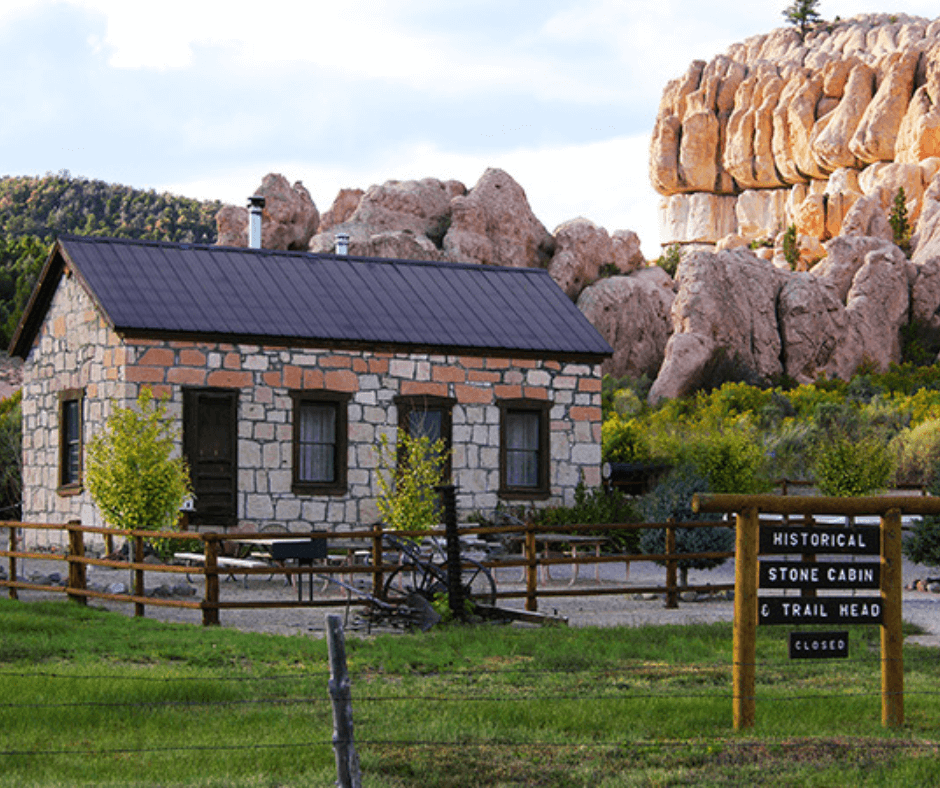
Nestled within the high desert landscape of eastern Nevada, Spring Valley State Park, in Lincoln County, is a place of contrast. The placid Eagle Valley Reservoir, created in 1965, pushes up against the backdrop of volcanic tuff, sediment, pine, and brush. Today, the park is a hub for boating, fishing, and camping, its headquarters operating out of the historic Millet Ranch. But scattered throughout the valley are other, older remnants—silent testaments to a time when life here was not a recreational choice, but a daily battle for survival.
This cabin was the work of a man named George Damron Moody, and it was a significant step up from the wagons that the first Mormon pioneers, arriving in 1864, were forced to live in. Its original roof would have been a heavy lattice of logs, chinked with mud and layered with thick sod for insulation. The metal roof seen today is a modern addition, part of a crucial stabilization effort in 1995.
State Parks staff, who acquired the property in 1991, also replaced the original lime mortar. In the 1800s, cement was a costly and difficult-to-transport luxury, so builders used a weak lime mixture that was highly susceptible to erosion. The restoration saved the structure, preserving it as a monument to the family that first called it home.
Life for the settlers of Eagle Valleys in the late 1800s was an endurance exercise. The land was remote, the Great Basin climate varied from scorching, dry summers to bitter, snow-choked winters—and every task was accomplished through manual labor.
Families like the Rices, the Millets, and the Moodys had to be completely self-sufficient. They built their own homes, grew their own food, raised cattle in a vast, unfenced wilderness, and protected their herds from predators and harsh weather. There was no infrastructure, no quick help in an emergency, and no margin for error. The work was fraught with physical danger, and a simple accident, such as a fall from a horse or a mishap with a wagon, could be life-altering or life-ending
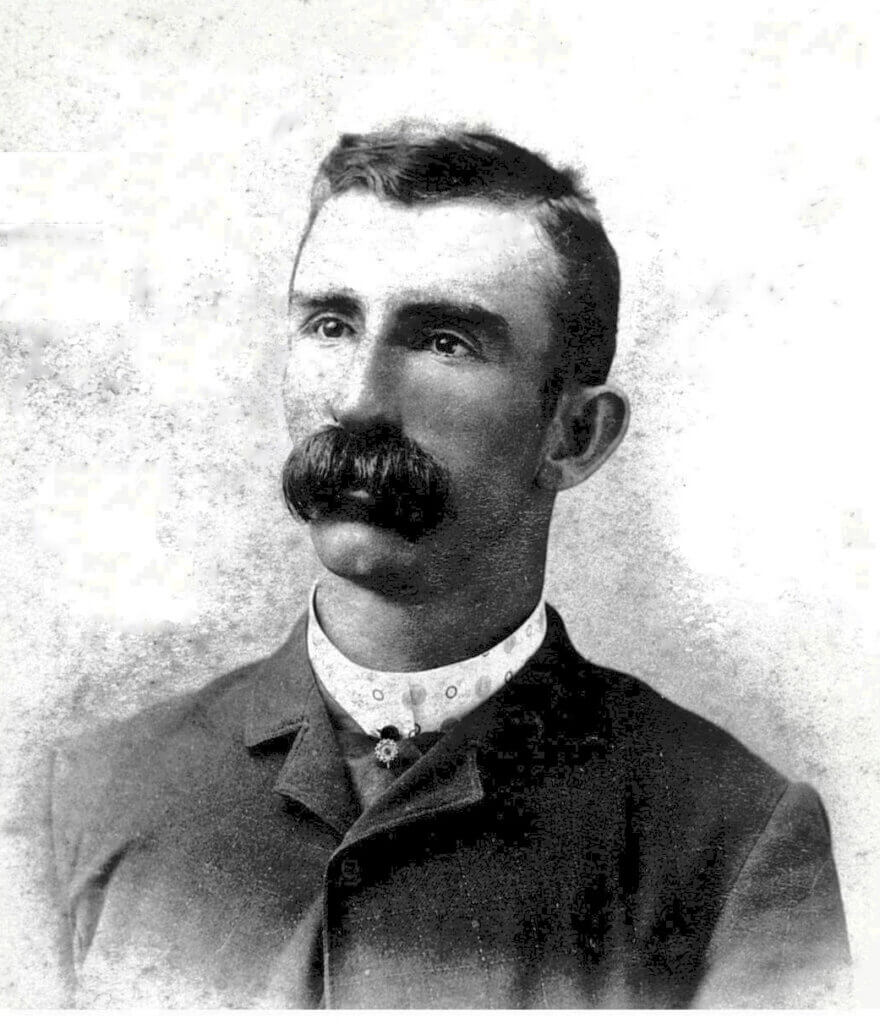
He joined a family in the middle of the Mormon westward migration, moving to St. George, Utah, in 1863, and finally settling in Eagle Valley in 1866, when George was six. His father was a stonemason, responsible for building local fireplaces, chimneys, and the original mill at Dry Valley.
By age 10, George was already working, driving one of the teams of horses hauling wood to the mill. He later recalled a time he climbed off the moving wagon to walk and keep himself warm, only to slip and fall. The heavy front wheel of the wagon ran over his body, badly injuring him. It was his first, but by no means his last, brush with the dangers of pioneer life.
Nine years later, in September of 1881, at the age of 21, George’s life was irrevocably changed. While riding, his horse suddenly bolted and ran under a stand of large trees. George was thrown violently against a trunk. The impact crushed his shoulder, dislocated his collarbone, and severely injured his back and left knee.
It was a devastating blow. A full three years passed before he could return to the demanding physical labor of managing cattle and training horses. During this long, painful recovery, George was forced to adapt. He found work cooking at a nearby U.S. Government Survey Station. When that job finished, he traveled to the county seat of Pioche, passed the necessary exams to become a schoolteacher. He taught first in Spring Valley and later at the Eagle Valley School.
It was during this time that he courted Lemira Rice, the daughter of Asaph and Louisa Rice, prominent Spring Valley ranchers. In October 1885, they were married and settled into their home in Spring Valley.
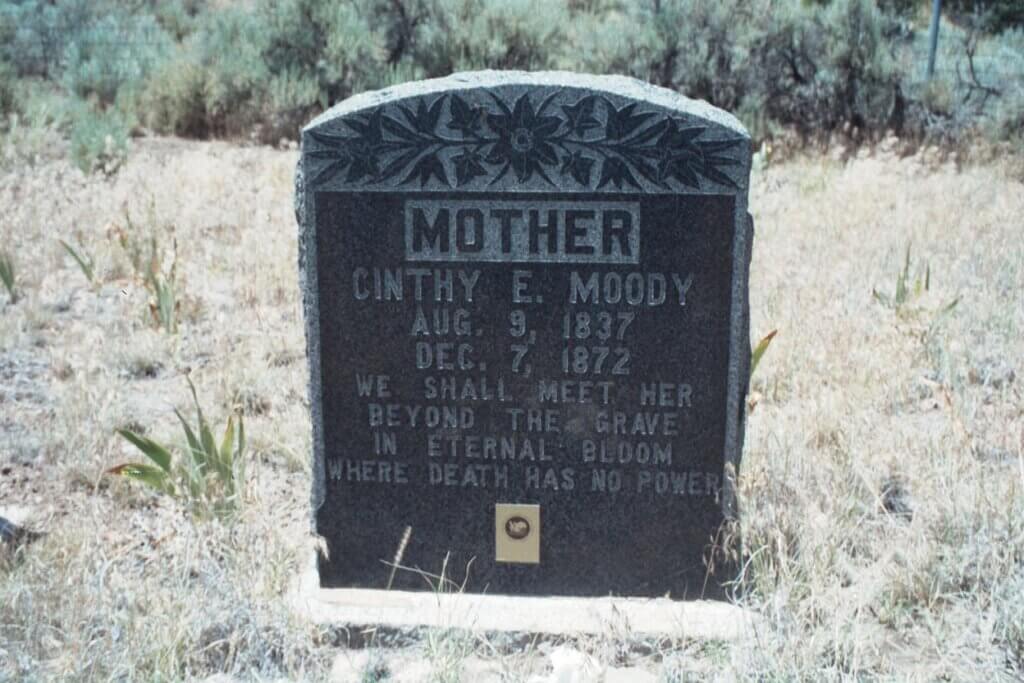
On February 3, 1887, Lemira gave birth to a baby girl, who was given the name Lemira Louisa. But the joy was short-lived. Just eighteen days later, on February 21, the young mother passed away, likely from complications of childbirth. On October 31 of that same year, the infant also died.
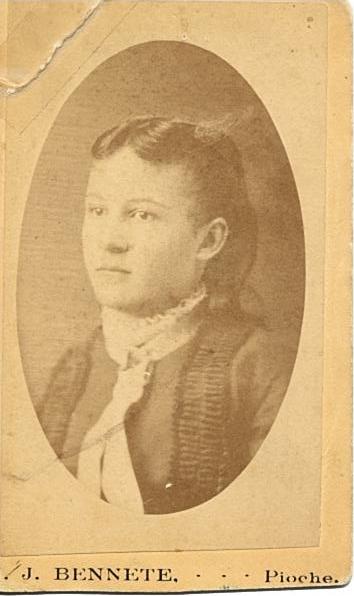
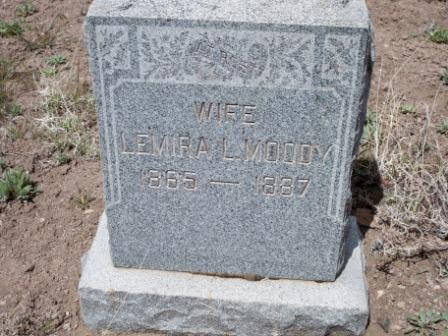
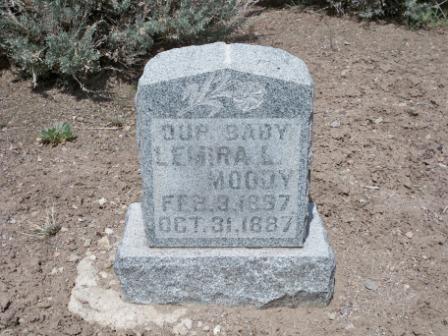
On Christmas Day, 1888, George married again. His new wife was Elizabeth Hammond, and together they would build a large family. The couple had eight children and became community pillars.
George channeled his intelligence and grit into becoming a capable and respected businessman and civic leader. He and Elizabeth ran general merchandise stores in the nearby mining camps of Deer Lodge, Fay, and Gold Springs, Utah. He also held a remarkable number of offices, serving in several public capacities, including as a recorder for the mining districts, a Notary Public, a School Trustee, and a Deputy Sheriff. He also held the position of Postmaster for two towns: Fay, Nevada, and Gold Springs, Utah.
He had transcended the life of a simple rancher to become a cornerstone of the civilization his parents had helped plant in the remote valley.
When the local mines began to play out, George and Elizabeth liquidated their assets and relocated to California. They lived a long and full life, witnessing the West’s transformation from a rugged frontier to a modern society. He died in Santa Monica on February 21, 1950, at the age of 90. In a poignant and final echo of his life’s great tragedy, his death came on the 63rd anniversary, to the exact day, of his first wife Lemira’s death.
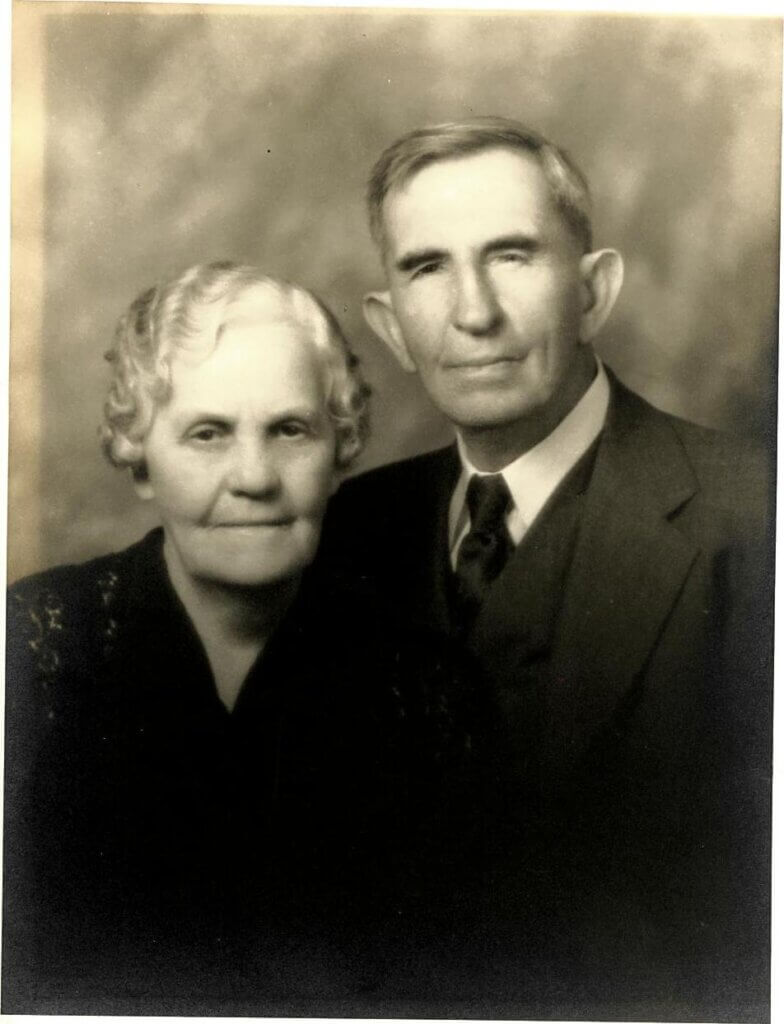
Today, the stone cabin George Moody built stands quiet. After his departure, it was owned for decades by the Hollinger family and was used intermittently as a summer residence up until the 1970s. Now, preserved by Nevada State Parks, visitors have a physical connection to the harrowing past of courageous pioneers like Georgy Moody.
This story was compiled from information provided by the Nevada State Parks website regarding the history of Spring Valley State Park and the details of the Stone Cabin’s construction and restoration.
The biographical details of George Damron Moody’s life were drawn from an unpublished account titled “George Damron Moody” by an unattributed author. This document was preserved in family genealogical records, specifically within a file documenting the descendants of Ira Rice. Additional details, such as the specific cemetery name, were provided from local historical records.